Yes that’s me in the photo above – Andy Macdonald. Very early 1970s I’d say. In the back garden of my Grandparent’s house in Lincolnshire it must be. I’m wearing a dress-up spacesuit!
I chose to call my business My Past Family and most of the pictures on here are of myself and my family. That’s my Mum and Dad, Nanny and Grandad on the front page. It must have been Xmas time as the drinks are flowing and Dad’s wearing a comedy nose & rosy cheeks combo! Probably taken in Germany in the 1950s.
My genealogical history
My own family has been, as it likely has for many genealogists, the initial source of my interest in family history. It was my sister who started the formal research many years ago and along the way I’ve been drawn in to assist with certain aspects or even given my own little ‘projects’ to work on. For example we knew there was a connection by marriage to the famous WWI flying ace Albert Ball but we didn’t know exactly what it was. We knew our Mum’s Auntie Lizzie was involved but not to what extent. That was a fun one to do! And the answer? Auntie Lizzie married Albert’s cousin.
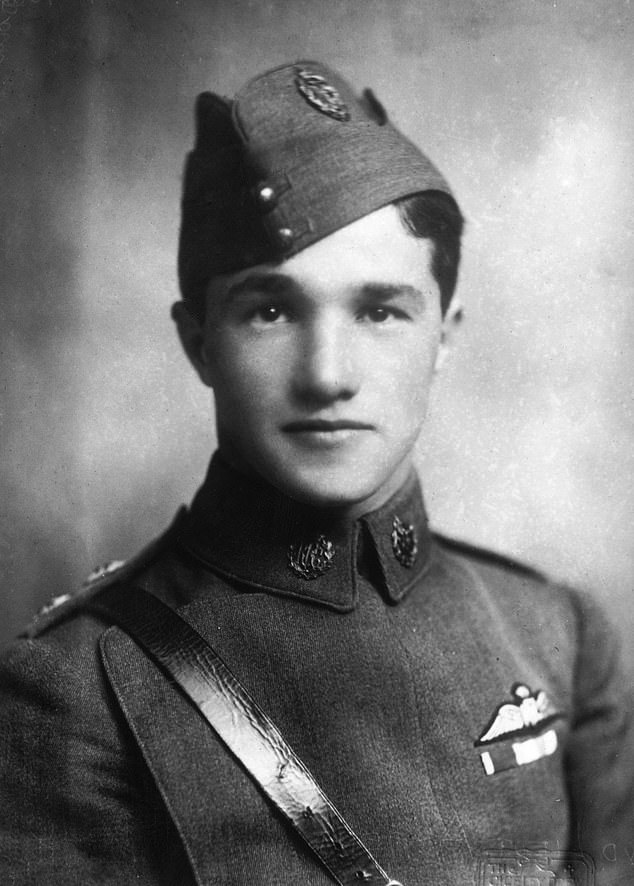
Public domain, via Wikimedia Commons
Previously finding a lot of family history information involved visits to physical locations such as the London Metropolitan Archives or The National Archives. There is still a lot of information held by various archives but a lot of records have been transcribed or scanned and are now available on online platforms such as Ancestry or Find My Past. This means that a great deal of research can be performed at my desk, which makes things easier for the researcher and also cheaper for the client as there’s less travel involved. However, being London-based means there are a good number of important archives close by. In fact I can walk to the Caird Library at the National Maritime Museum in about 15 minutes and am on their list of approved researchers who will undertake research and document photography on maritime subjects.
New techniques
The relatively recent use of DNA testing in family history has been a boon to many, myself included. We had what’s called a ‘brick wall’ with my paternal great Grandfather. The term ‘brick wall’ has a fairly obvious meaning; a barrier that one simply can’t get though with the information one possesses – perhaps the information is wrong or the documents aren’t available to confirm it. As a family we only had the smallest amount of information about him. But the results from an autosomal DNA (atDNA) test revealed a match with a lady in Canada whose Grandmother had the surname Macdonald and was born in Inverness.

There are various tools available to researchers that will indicate how, on a family tree, an atDNA match connects and for my sister and me we suddenly had a method to hopefully break down the wall. However one cannot just go with the DNA evidence. This has to be backed with traditional documentary sources, e.g. parish records, census records, etc.. But after a great deal of research and proofing we’d done it; we’d discovered a new side of the family that we knew nothing about. We’d discovered who my great Grandfather’s parents were and so we were off again, looking for other relatives.
In summary
As a genealogist one’s own learning never stops. There are always new resources coming on stream and new tools being developed. Each new project that I undertake will teach me something new, which is the way it should be! If you read the Example pages you’ll find a range of family history projects that I undertook. These together with everything my own family history has thrown at me have enabled me to acquire a wide range of skills and experience.
I am always looking to learn new, interesting and diverse things and so am a Gold Member of the Society of Genealogists – www.sog.org.uk – who have a considerable archive and library and offer a wide range of talks and discussions.